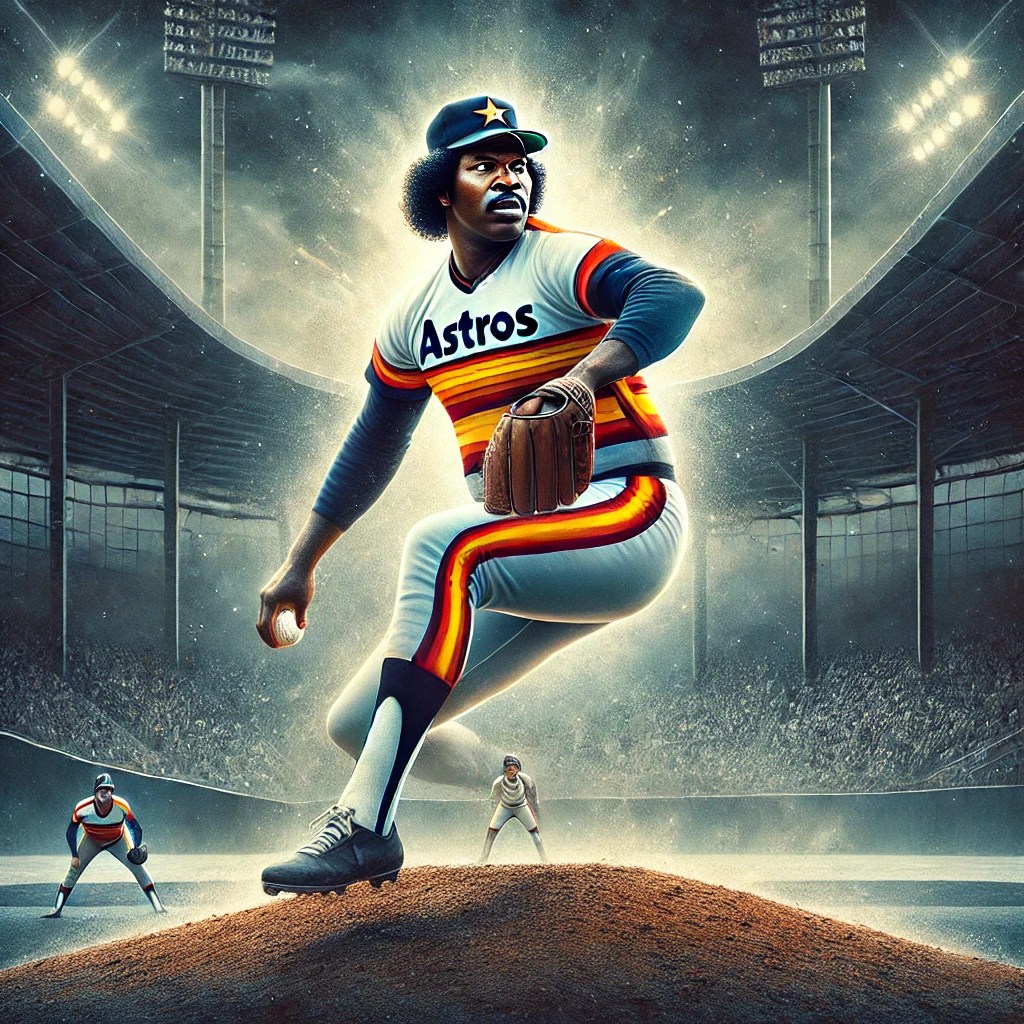
This blog is not about me except that it sometimes is
Through a series of bad lifestyle choices, difficult family situations, and other challenges, I’ve had to rebuild, recreate, and continuously move forward in life. I’ve experienced significant setbacks followed by remarkable rebounds. The person I am today is vastly different from who I once was.
I deeply appreciate a good comeback story, perhaps more so than many others. In the past, I’ve been overly critical of those who struggled, even when I was struggling myself. I’m working on changing this perspective and learning to appreciate the strength and resilience it takes to overcome adversity.
Baseball is ripe with good turnaround stories
My first “baseball hero” was Darryl Strawberry, and naturally, I idolized Dwight Gooden. The late 1980s Mets seemed invincible to me. We all know about Darryl and Doc’s struggles with substance abuse and their subsequent attempts at redemption. There are countless other examples, varying in severity, like Dave Parker and Pedro Guerrero. These stories of overcoming challenges inspire me to keep moving forward, even when I face ongoing struggles.
J.R. Richard was a boss
I want to focus on J.R. Richard. This man burst onto the baseball scene with incredible dominance in the mid-1970s, throwing at speeds rarely seen at the time. Reports of pitches reaching or exceeding 100 MPH were common. I’m curious about how speed was measured in the ’70s. I expect these accounts were observations from those in the know.
In the 80s, it was measured as the ball crossed home plate, while today, it’s measured as it leaves the pitcher’s hand. Based on a Jack McDowell interview I watched, I believe there’s a significant difference between 100 MPH in the 1970s and today. J.R.’s pitches must have seemed truly extraordinary.
He struck out Mays three times in a game, ranked third in Astros history in strikeouts behind Ryan and Oswalt, and struck out 15 batters in his debut game. While I don’t want to dwell on statistics, let’s just say he was an absolute force on the mound.
Sometimes it’s not their fault
He began experiencing arm injuries and fatigue, which were largely dismissed by his team and the sports media. How could a man throw so hard, with such dominance, need to come out of a game or take a break? Many, wrongly, accused him of sandbagging, coasting, or becoming lazy.
The truth was that J.R. was suffering from a series of minor strokes. If he had received the proper medical attention he was seeking, these strokes likely would have been diagnosed earlier.
Would he have been able to continue his career if things had been handled differently? I don’t know, and I’m not a doctor.
What I do know is that the entire baseball world seemed to turn against him. The constant pressure to continue, the questioning of his intentions, and the negative commentary exacerbated his situation tenfold. He went from the pinnacle of his career to homelessness, living under a bridge near the Astrodome.
A testament to his character
Through the support of a church community, he was able to rebuild his life, starting an asphalt company and giving back to the community through baseball programs. He regained acceptance and honor within the baseball world.
This demonstrates the strength of his character. A lesser man would have completely disassociated himself from baseball. In my eyes, this makes him a greater man than any of his on-field accomplishments.
Somehow this helps me.
Sadly, we lost him to Covid-19 in 2021 at the age of 71.
 El Cardquistador
Leave a comment