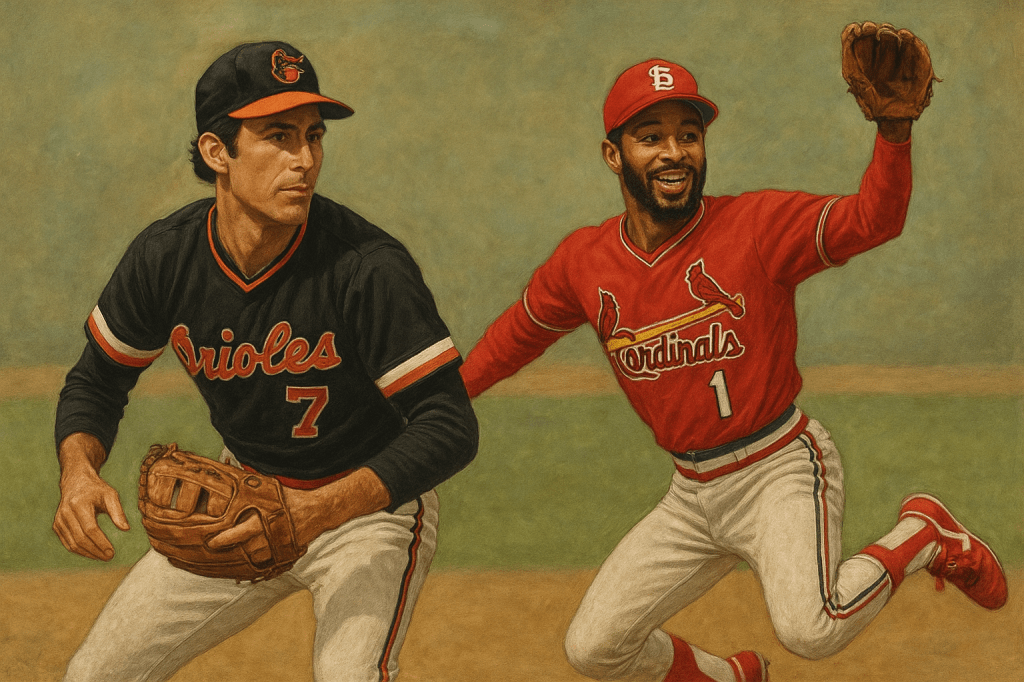
In a hobby that often chases sluggers and stat lines, it’s easy to overlook the players whose value came from the glove. This isn’t about highlight-reel home runs or gaudy batting titles. It’s about two shortstops who changed games without changing scoreboards—who proved that defense, positioning, and presence could be just as powerful as a bat.
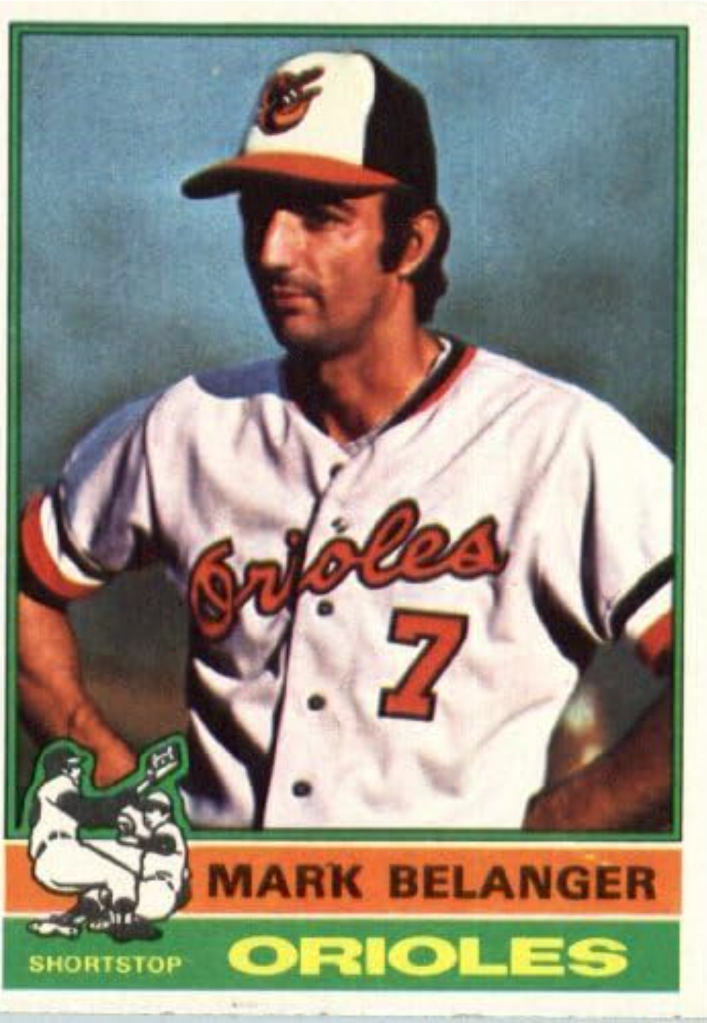
Mark Belanger: Belanger wasn’t flashy. He didn’t flip, dive, or dance. He just got outs—quietly, relentlessly, and with surgical precision. His career batting average of .228 is among the lowest for everyday players, but his WAR of 41.0 and staggering dWAR of 39.5 tell the real story. He turned defense into routine, and routine into wins.
“Belanger was so good that it didn’t matter what he hit,” Weaver said. “The other team has men on first and second, one out, and that ball hit to Brooks’ left or Belanger’s right never went through. It was up to second (with the ball), on to first, three outs and we’re back on the bench getting ready to hit.” Source: BaltimoreBaseball.com, June 26, 2024
That’s not just praise—it’s tactical trust. Belanger allowed pitchers to attack the zone knowing the infield was locked down. His glove didn’t just prevent runs—it shaped strategy.
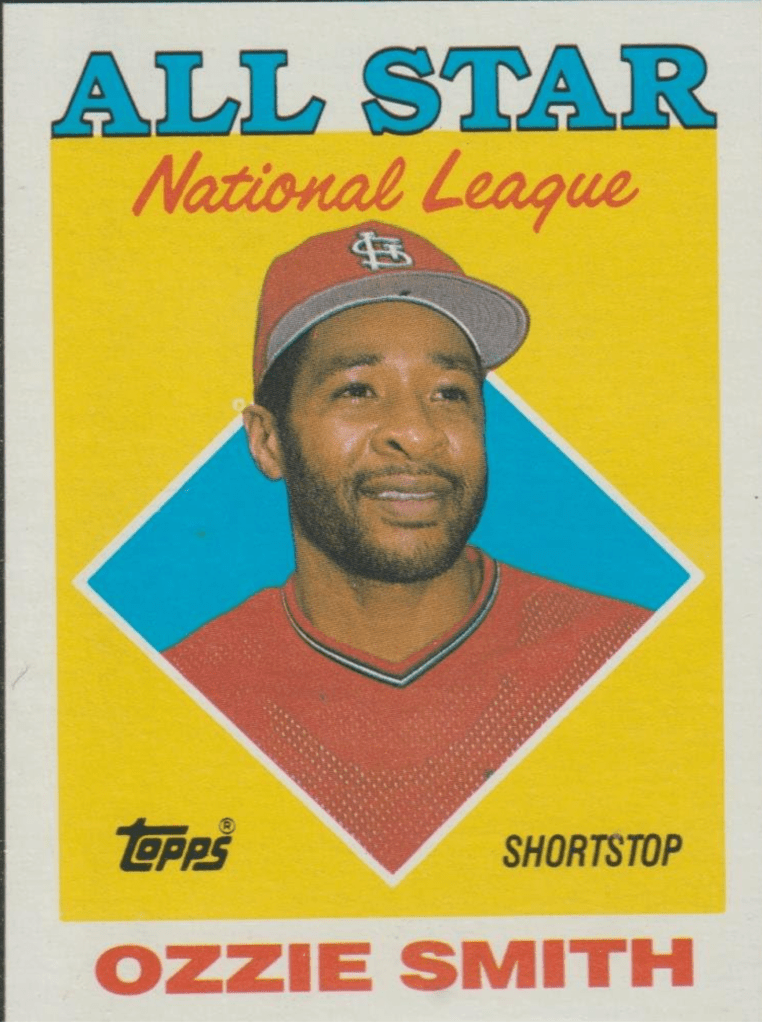
Ozzie Smith: Ozzie was the opposite in style—fluid, acrobatic, unforgettable. But like Belanger, he didn’t need a bat to win games. His career average of .262 was respectable, but his WAR of 76.9 and record-setting dWAR of 44.2 made him a generational force. He didn’t just field—he performed.
“So many times I’ll see the ball leave the bat and say, ‘O.K., that’s a base hit.’ And then somehow Ozzie will come up with it. A lot of the time I feel like standing out there and applauding with the rest of the fans. He’s head and shoulders above every other shortstop.” —Bob Forsch, Cardinals pitcher Source: Sports Illustrated, Sept. 28, 1987
That’s not hyperbole—it’s legacy. Ozzie’s glove expanded the strike zone, shifted momentum, and gave pitchers permission to challenge hitters. He was a defensive system unto himself.
Final Thought: Belanger and Smith remind us that baseball isn’t just about offense. It’s about trust—earned over thousands of innings, built on consistency, and felt by every teammate who stood beside them. Their batting averages ranged from modest to respectable, but their WAR reveals a deeper truth: value lives in the glove. For collectors, their cards remain affordable, nostalgic touchstones—a reminder that sometimes the bat is just the beginning of the story.
 El Cardquistador
Leave a comment