Category: Baseball Cards
-
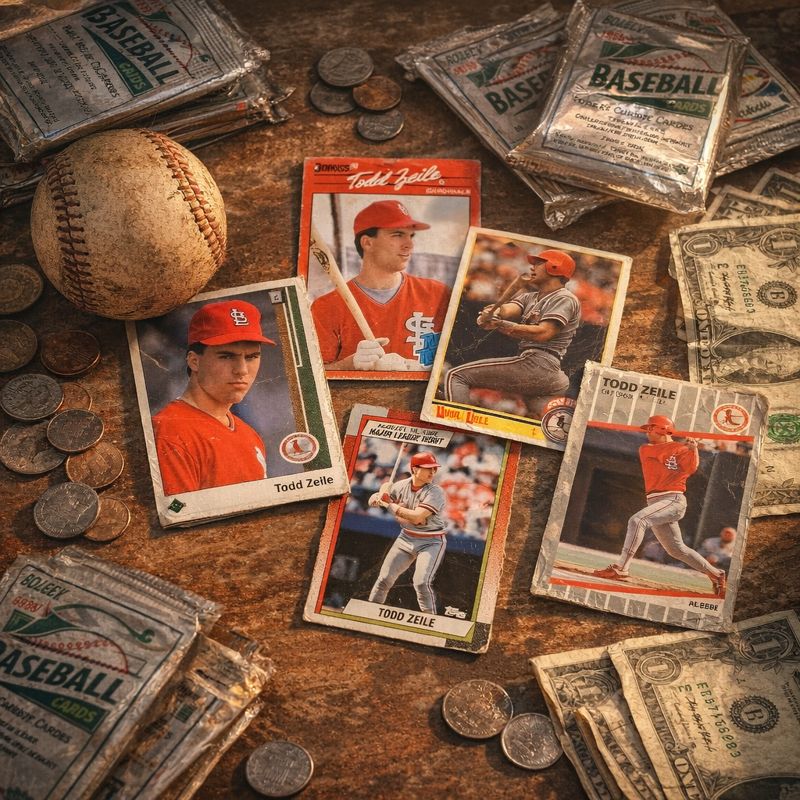
When the Punchline Gets It Wrong: Todd Zeile and the Crime of Being “Exactly Good”
For years, Todd Zeile was treated as a punchline—a symbol of junk wax hype that never paid off. But strip away the rookie-card mythology and a different picture emerges: a long, productive career undone not by failure, but by expectations that were never his to carry.
-
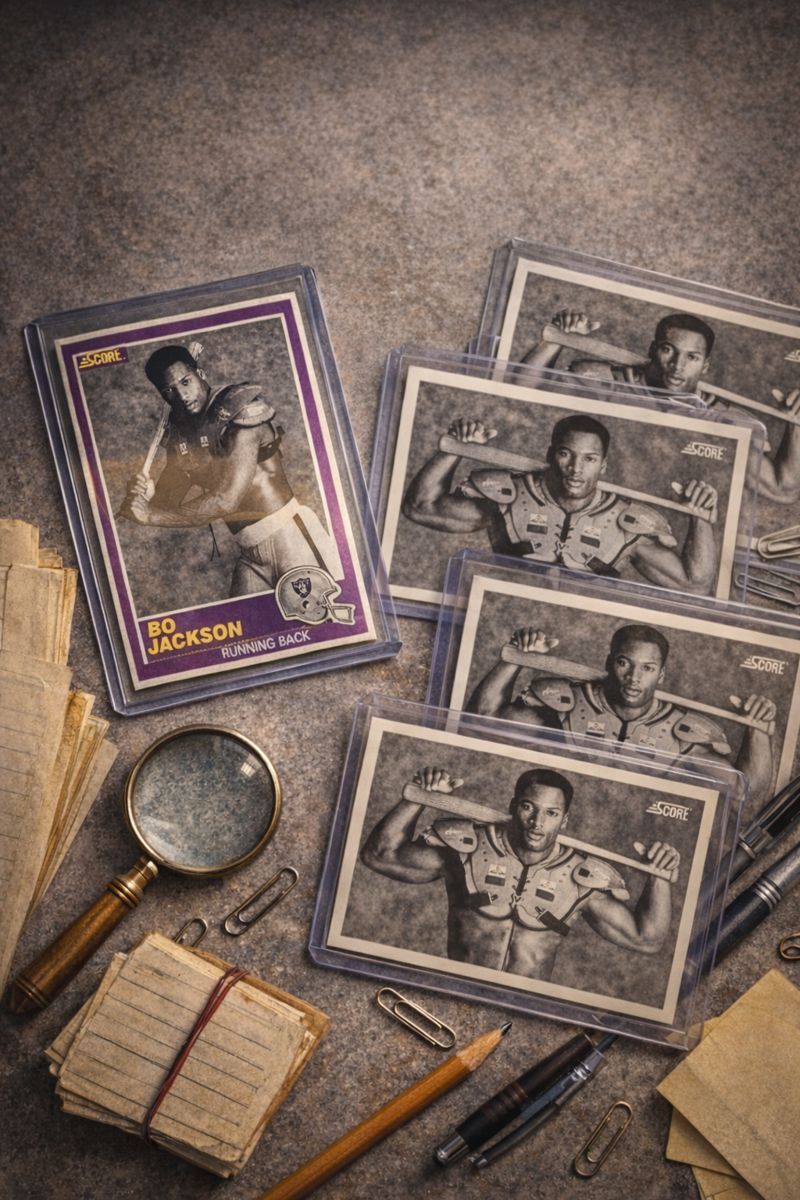
Confessions of an Imperfect Collector: When Excitement Overrides Principles
I had a point to make about scarcity and value. But in the adrenaline of the scroll, I didn’t write a nuanced essay. I posted four words: “Chase this. Not that.” Then it hit me: I just did exactly what I tell other collectors never to do.
-
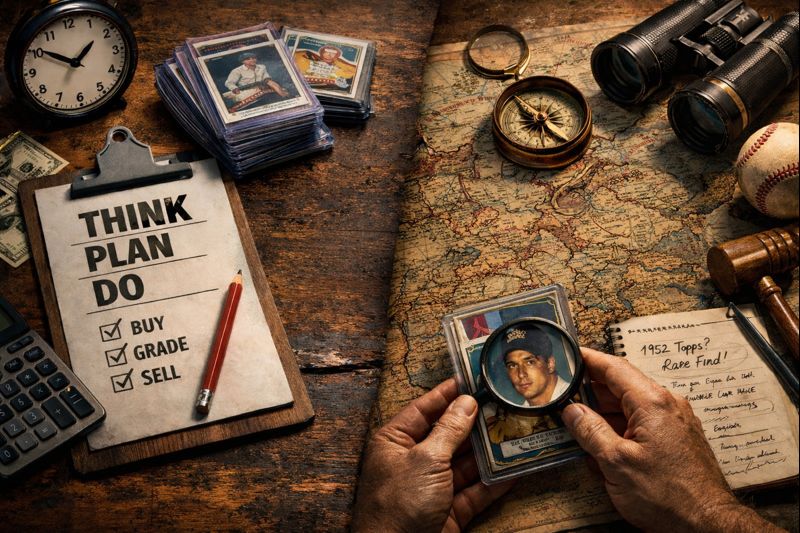
Think, Plan, Do vs. The OODA Loop: A Collector’s Journey
Collecting isn’t a factory line—it’s a dogfight. While sellers thrive on Think, Plan, Do, collectors survive by reacting to a market that never waits. This piece explores why the OODA Loop—Observe, Orient, Decide, Act—is often the difference between missing a grail and landing it.
-
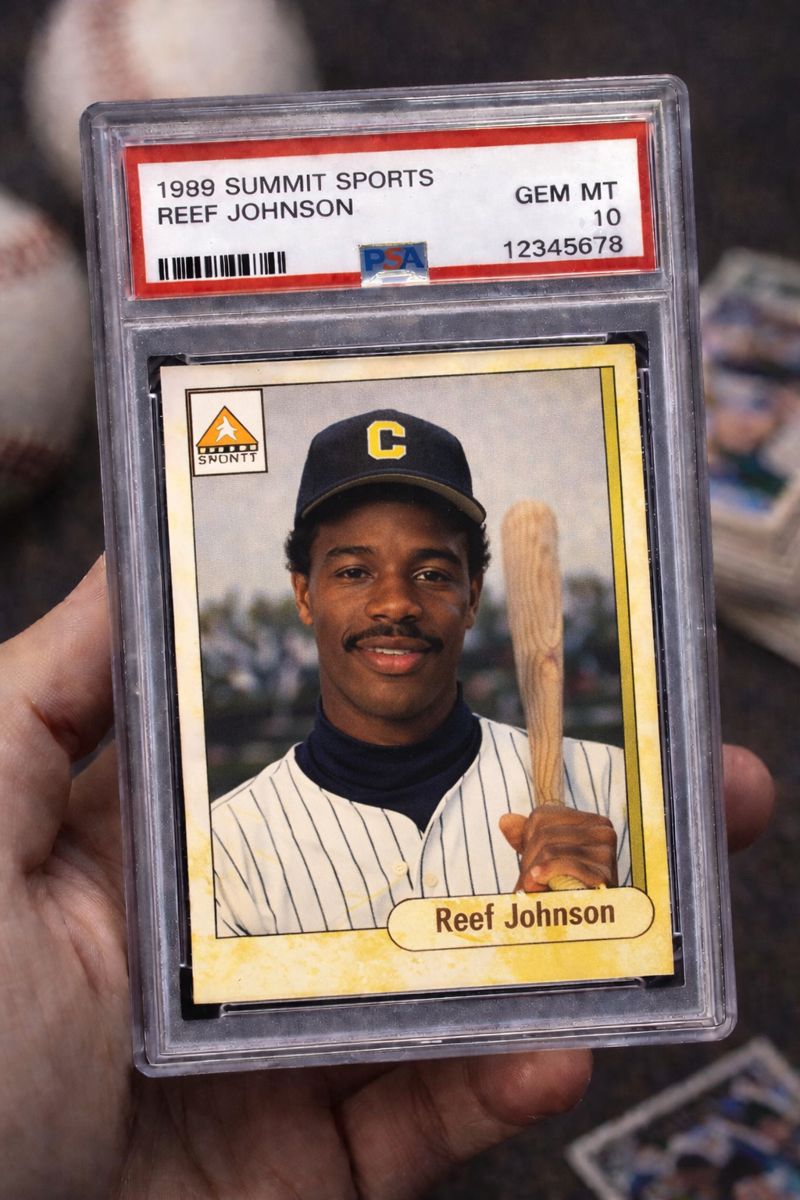
Look at the Damn Card
Grading companies assess condition, but they’re not infallible. Cards degrade in slabs over time. Lower grades can look better than higher ones. The number on the label doesn’t always match what your eyes see. This article argues that collectors need to examine cards themselves, not just trust the plastic. Grades…
-
When Junk Wax Rookie Cards Become the Value Play
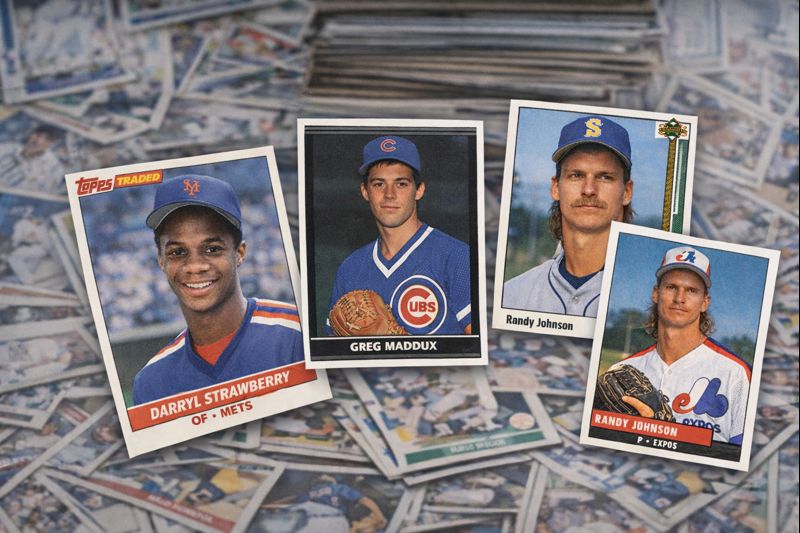
The junk-wax era, often dismissed as worthless, actually offers valuable player cards that tell significant stories. Key criteria for value include capturing pivotal moments, cultural relevance, and realistic pricing. Examples like Darryl Strawberry and Greg Maddux illustrate how certain rookie cards outperform expectations when these conditions align, while others like…
-
Stop Letting the Market Sort Your Collection
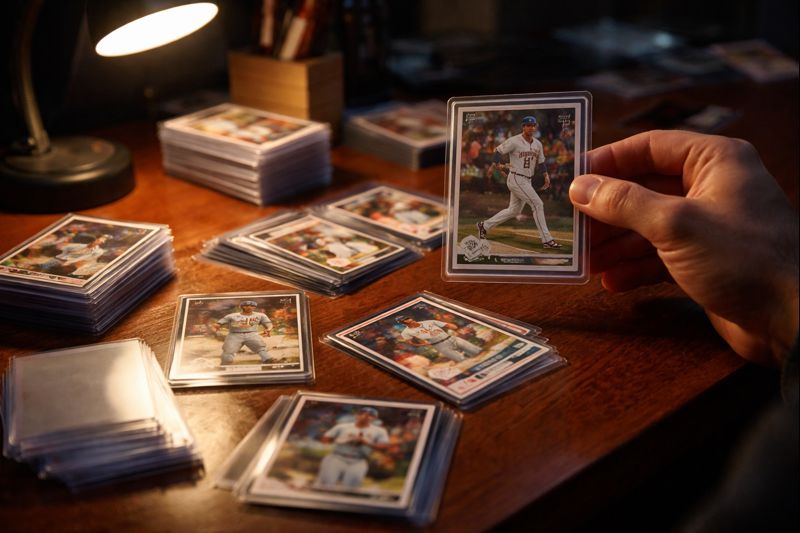
The market measures scarcity and demand. I measure meaning. Some base cards get top-loaded because they resonate, not because they’re expensive. That isn’t collecting wrong—it’s collecting honestly. My collection exists for me, not the market, and I’m done pretending otherwise.
-

The Art of Losing: Why Smart Collectors Let Auctions Go
Experienced collectors know a secret that breaks the spell of winning: sometimes, the smartest move you can make is to stop bidding entirely. The “win” of the auction is often a loss to your collection goals and your wallet.
-
The Strawberry Paradox: Hundreds Of Cards, No Lessons Learned
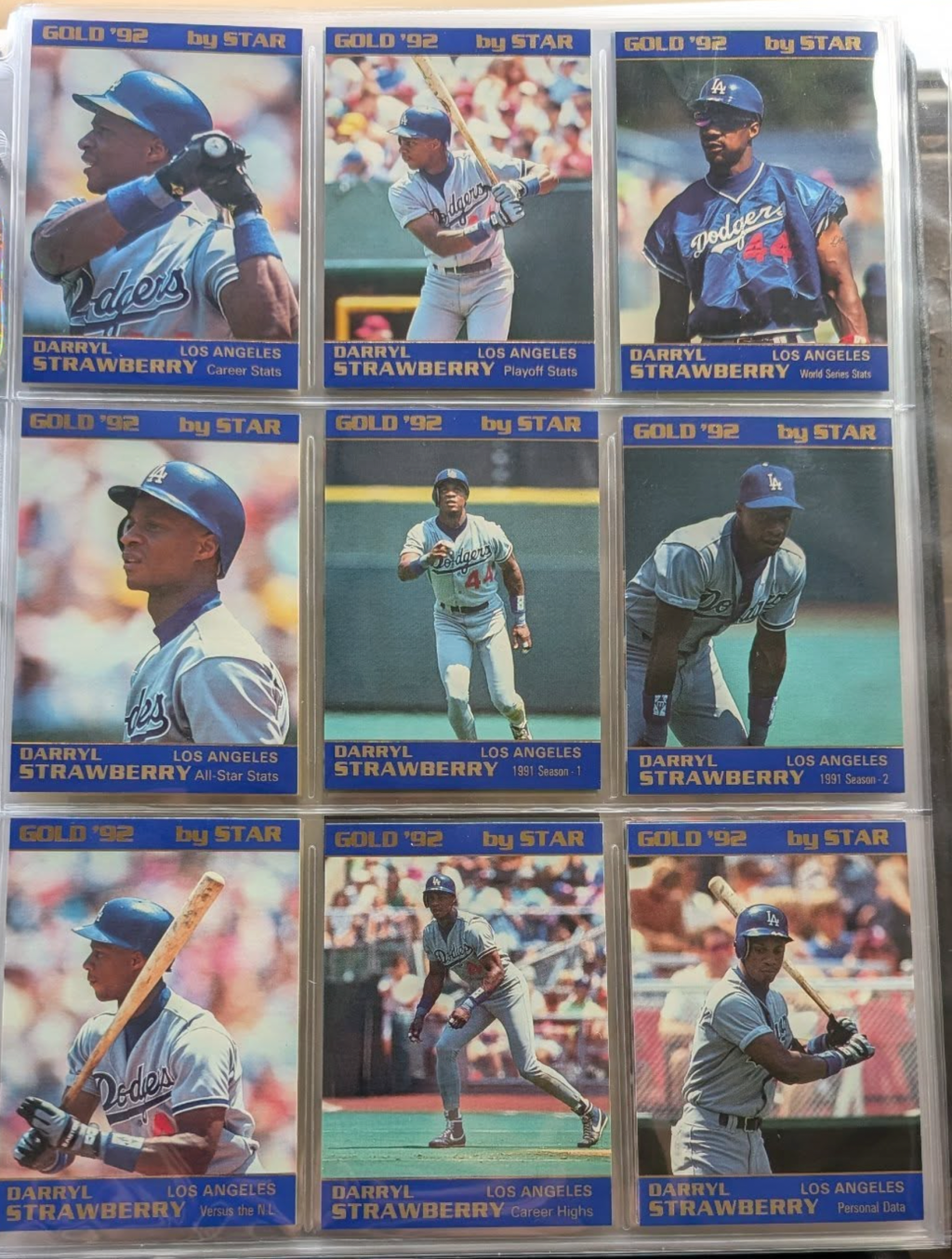
The premise was simple: collect every pre-2000 Darryl Strawberry card. Not the best ones. Not the iconic ones. Every single one. But ‘every’ is a trap. It means stickers, repeats, odd formats—cards that disrupt the collection’s rhythm even while checking a box
-
It’s Okay to Be Late
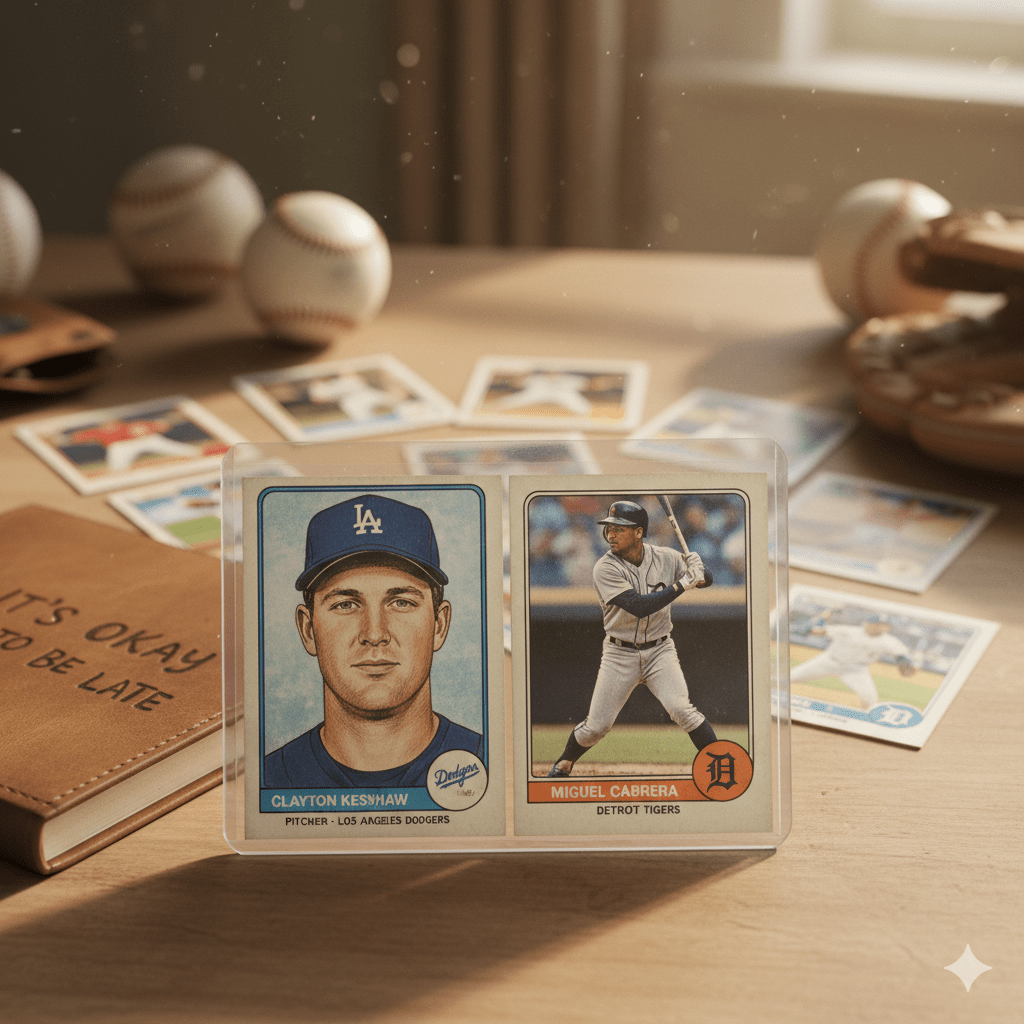
Missing the rookie chase for legends like Kershaw and Miggy taught me an essential lesson. I cannot possibly track every farm system, so I focus only on the Tigers farm system. I skip the rest—I can always pick them up later. It’s ok to be late.
-
Why Whatnot is a Boom for New and Returning Card Collectors
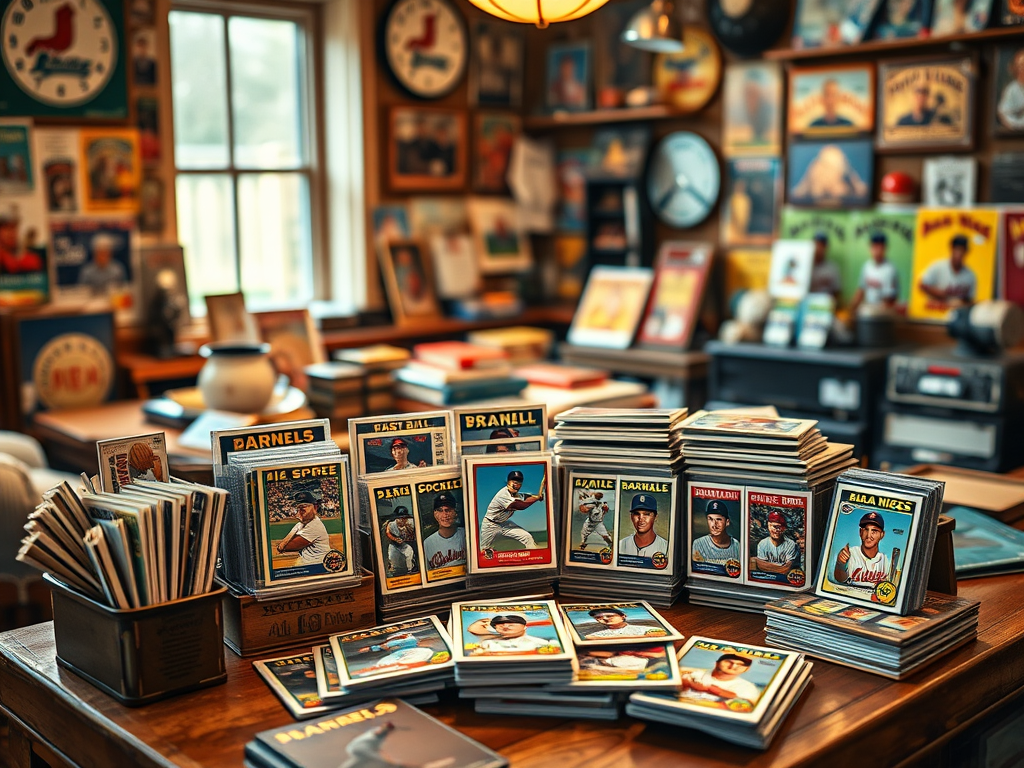
Whatnot pulls collectors back in with low-cost nostalgia and instant community, then tempers them into disciplined hobbyists. For both newcomers and returnees, it transforms the thrill of junk wax into a gateway—rekindling old passions, sparking new ones, and proving the hobby is still alive and communal.

