Category: Baseball Cards
-

From Collector to Competitor to Collector Again
Live auctions don’t just sell cards — they sell competition. After overpaying for a Ken Griffey Jr. Moo Town Snackers card, I began to understand how platforms like Whatnot reshape collector behavior. Watching a Justin Verlander rookie run past my limit, then buying two for less elsewhere, showed me something.
-
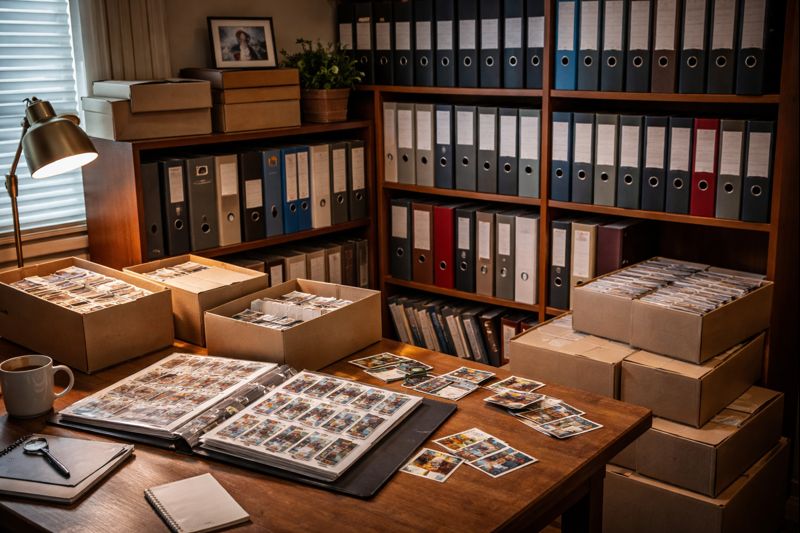
From Nothing to Everything to Something Manageable
I let it all go, then fell back in. Watching old games brought the bug back and the accumulation phase followed. The collection became something more than I could deal with. So I made rules, slowed down, stopped chasing prospects, and started to choose cards with more intention.
-
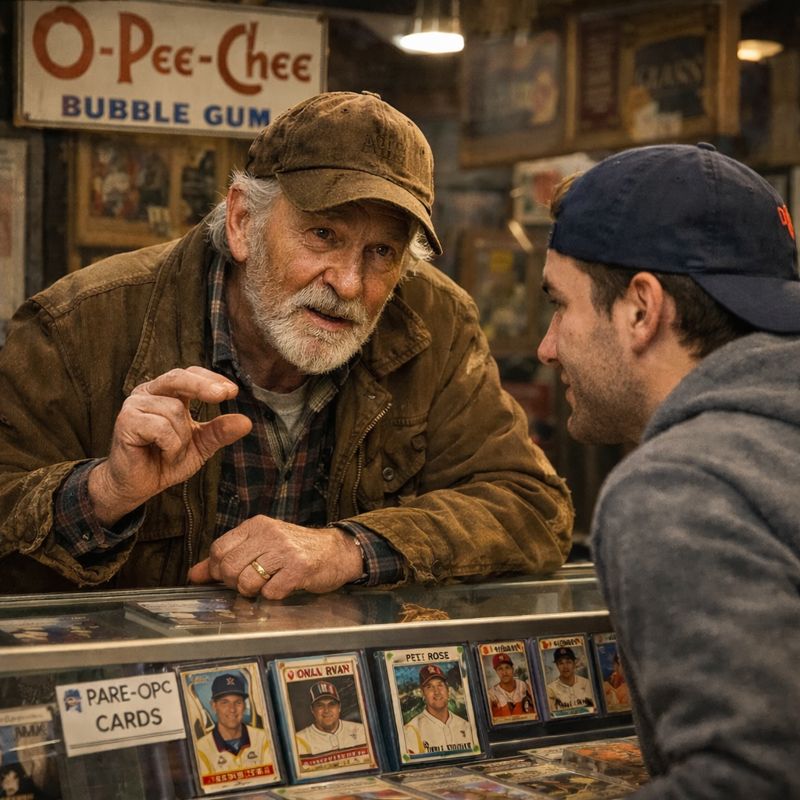
The O-Pee-Chee Piano Wire Myth: When Hobby “Experts” Prefer Fiction to Facts
For decades, O-Pee-Chee has been wrapped in confident myths repeated as fact. When examined closely, they collapse under basic physics and economics. What survives isn’t mystery, but testimony from people who were actually there—and a reminder that repetition is often mistaken for knowledge.
-
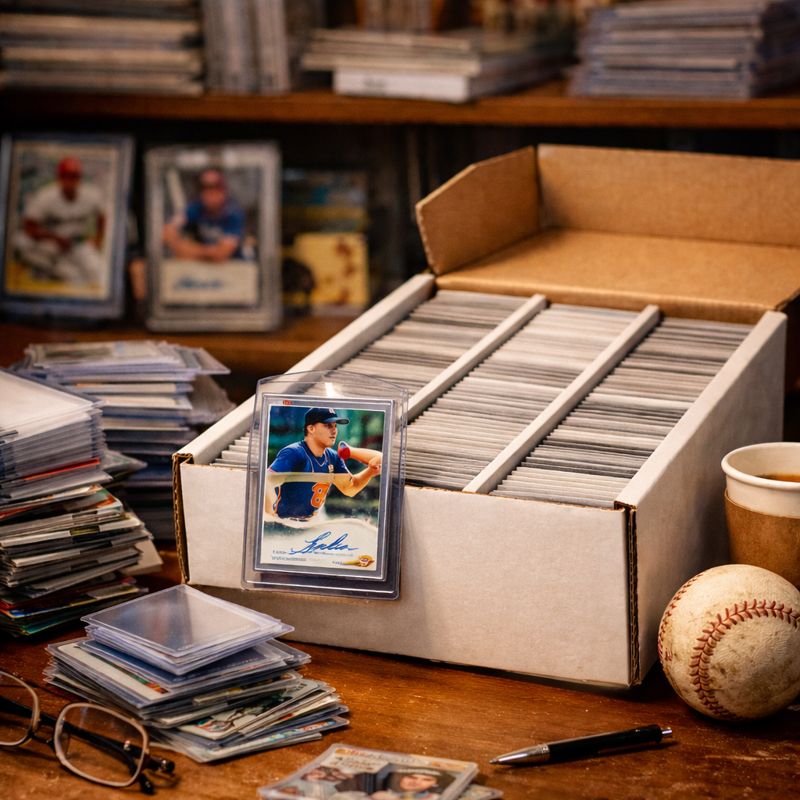
The Kids Are Right… and Mostly Alright
Coming back to the hobby forced me to confront an uncomfortable truth: reverence has a cost. Space, money, and mental energy are finite, and clinging to everything turns collecting into clutter. Letting go of the bulk isn’t disrespect—it’s how I finally made room for the cards that matter.
-
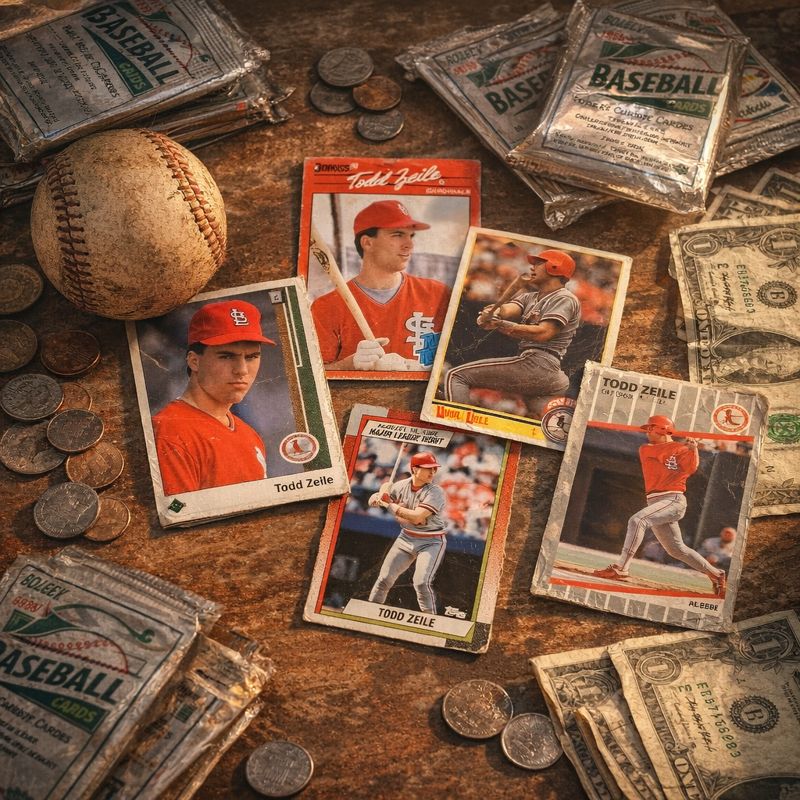
When the Punchline Gets It Wrong: Todd Zeile and the Crime of Being “Exactly Good”
For years, Todd Zeile was treated as a punchline—a symbol of junk wax hype that never paid off. But strip away the rookie-card mythology and a different picture emerges: a long, productive career undone not by failure, but by expectations that were never his to carry.
-
Confessions of an Imperfect Collector: When Excitement Overrides Principles
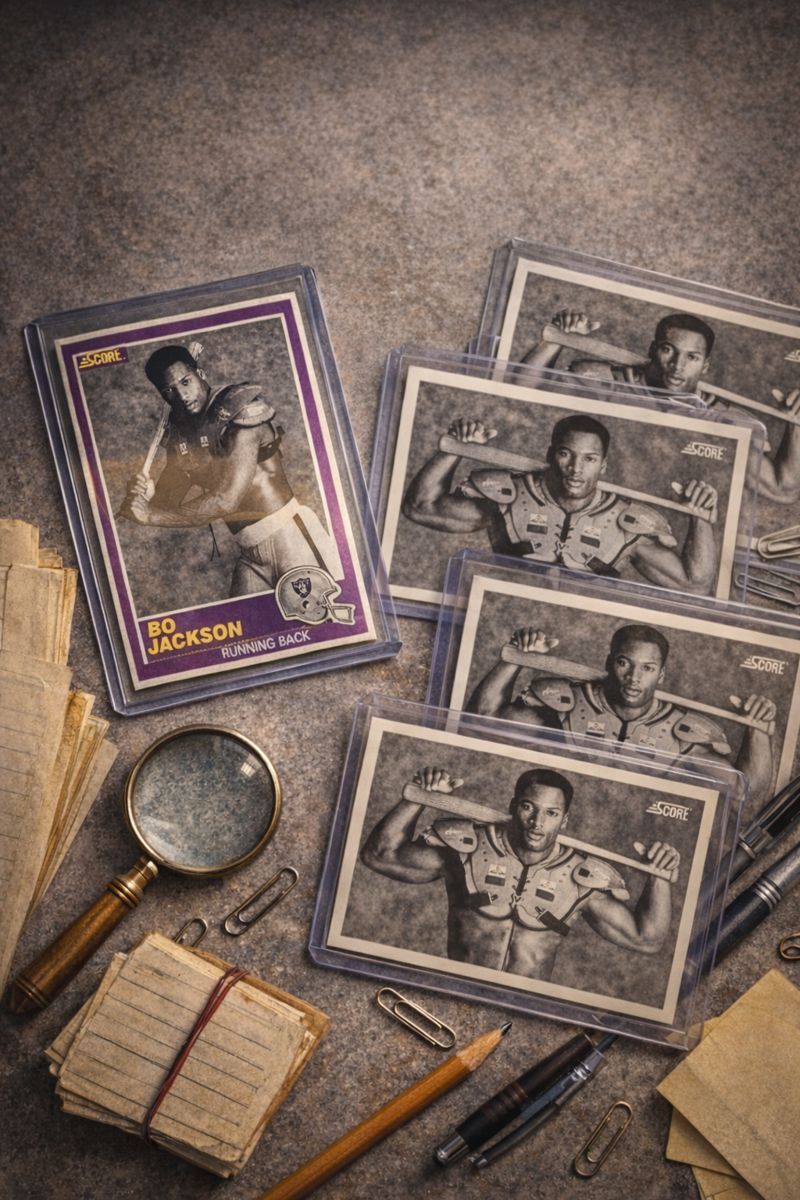
I had a point to make about scarcity and value. But in the adrenaline of the scroll, I didn’t write a nuanced essay. I posted four words: “Chase this. Not that.” Then it hit me: I just did exactly what I tell other collectors never to do.
-
Think, Plan, Do vs. The OODA Loop: A Collector’s Journey
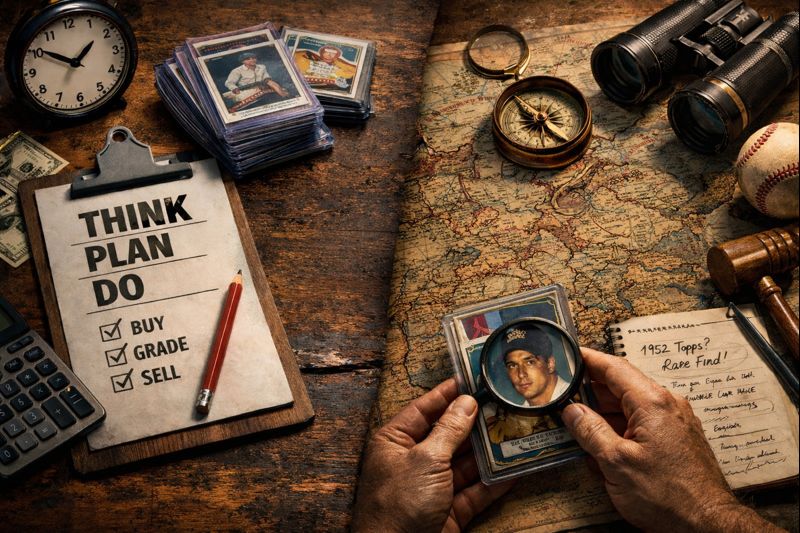
Collecting isn’t a factory line—it’s a dogfight. While sellers thrive on Think, Plan, Do, collectors survive by reacting to a market that never waits. This piece explores why the OODA Loop—Observe, Orient, Decide, Act—is often the difference between missing a grail and landing it.
-
Look at the Damn Card
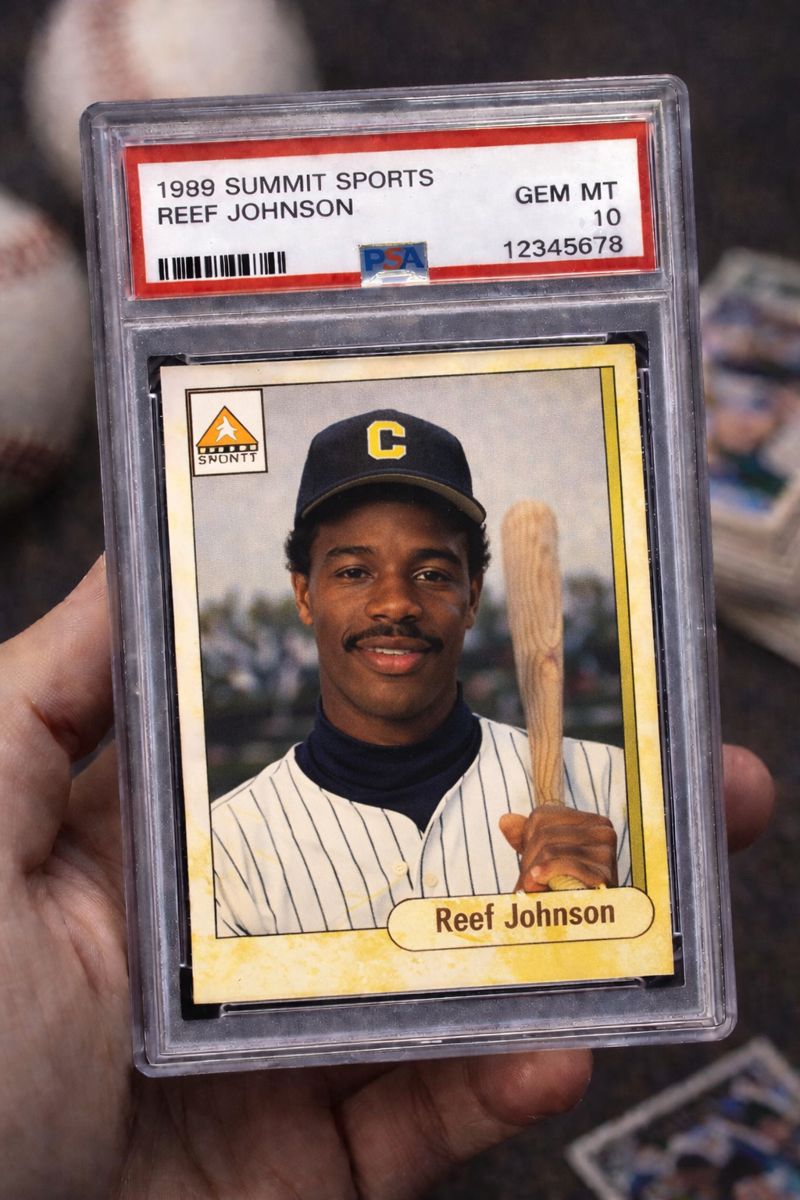
Grading companies assess condition, but they’re not infallible. Cards degrade in slabs over time. Lower grades can look better than higher ones. The number on the label doesn’t always match what your eyes see. This article argues that collectors need to examine cards themselves, not just trust the plastic. Grades…
-
When Junk Wax Rookie Cards Become the Value Play
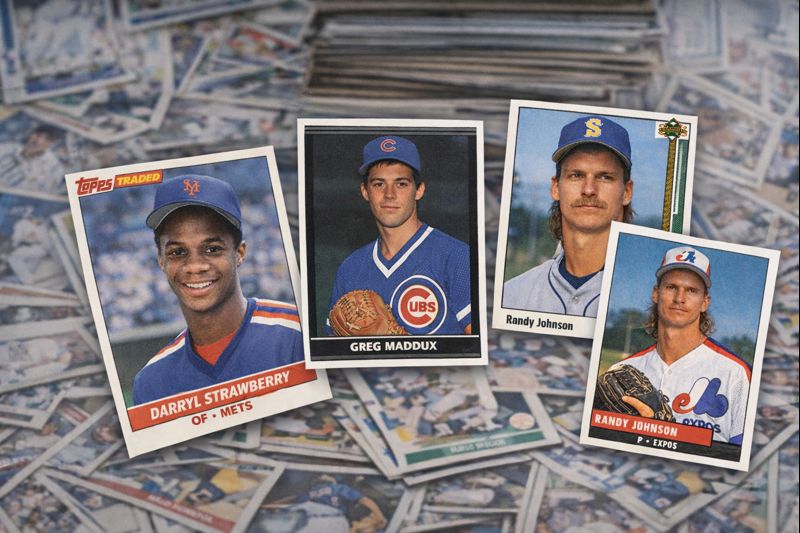
The junk-wax era, often dismissed as worthless, actually offers valuable player cards that tell significant stories. Key criteria for value include capturing pivotal moments, cultural relevance, and realistic pricing. Examples like Darryl Strawberry and Greg Maddux illustrate how certain rookie cards outperform expectations when these conditions align, while others like…
-
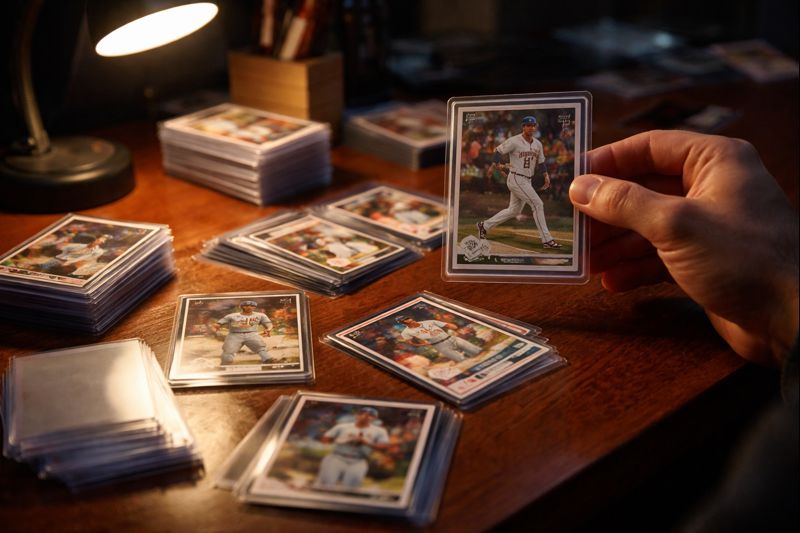
Stop Letting the Market Sort Your Collection
The market measures scarcity and demand. I measure meaning. Some base cards get top-loaded because they resonate, not because they’re expensive. That isn’t collecting wrong—it’s collecting honestly. My collection exists for me, not the market, and I’m done pretending otherwise.
 El Cardquistador